How Cultural Exchanges Between Distant Regions Shape Icon Selections in Wireless Spinning Platforms Designed for Emerging Markets
Yves Neumann · Aug 22, 2026
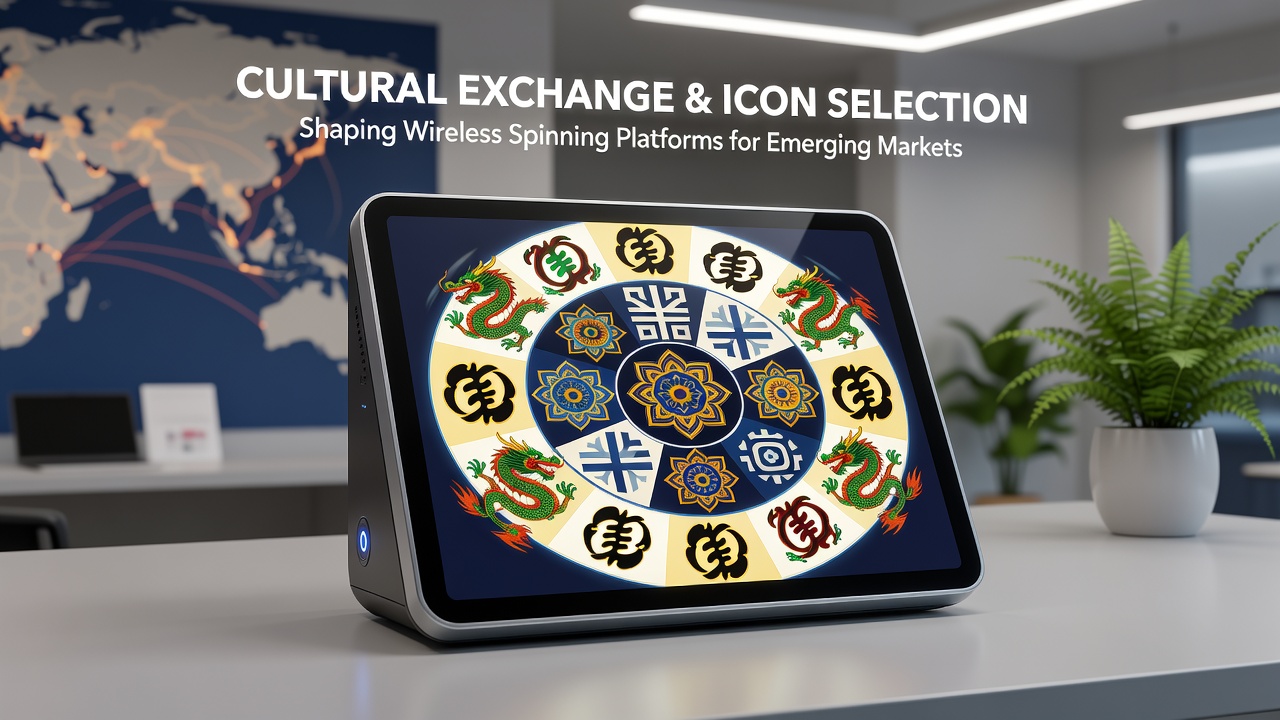
How Cultural Exchanges Between Distant Regions Shape Icon Selections in Wireless Spinning Platforms Designed for Emerging Markets
Wireless spinning platforms have expanded rapidly into emerging markets where developers draw from centuries of cross-regional exchanges to select icons that resonate with local players while incorporating elements from distant cultures, and this process has accelerated as mobile access grows in Asia, Africa, and Latin America.
Historical Patterns in Symbol Adaptation
Trade routes and migration flows have long carried visual motifs across continents, yet modern game studios now translate those same patterns into reel symbols for portable devices, and observers note that lotus flowers originally tied to South Asian traditions appear alongside Andean condors in titles aimed at Southeast Asian users who encounter blended designs through global content libraries. Data from regional gaming associations shows increased incorporation of hybrid icons since 2023, with studios testing combinations that reference both African textile patterns and East Asian ceramic motifs to appeal to multicultural player bases in urban centers.
Market Data and Regional Preferences
Industry figures reveal that emerging markets accounted for over 35 percent of mobile gaming revenue growth in the first half of 2026, and wireless platforms respond by adjusting icon libraries to reflect these exchanges rather than importing unchanged European or North American sets. Researchers tracking user engagement across Nigeria, Indonesia, and Brazil report that symbols evoking shared historical exchanges, such as stylized waves representing both Pacific trade winds and Atlantic currents, produce higher retention rates when paired with local currency displays. One study released by an Australian research institute documented a 22 percent lift in session length when platforms featured icon sets that mixed Maori-inspired carvings with contemporary Latin American festival imagery.
Development Practices in August 2026
Studios releasing updates in August 2026 continue to refine these selections through iterative testing, while regulatory bodies in multiple jurisdictions require disclosure of symbol origins to ensure cultural accuracy, and developers consult archives maintained by universities in Canada and South Africa to verify motif authenticity before integration. Platforms designed for lower-bandwidth environments prioritize simpler line art versions of these exchanged icons, which reduces load times yet preserves recognizable cultural references that players identify across borders.

Case Examples of Cross-Regional Influence
Take one development team working on a platform for East African markets that incorporated Japanese wave patterns alongside Ethiopian cross motifs after reviewing 19th-century trade records, and the resulting symbol set produced measurable increases in daily active users according to internal analytics shared with regional partners. Another project targeting Andean communities integrated elements from Silk Road iconography with Quechua textile designs, and testing data indicated stronger engagement when these icons appeared in progressive feature rounds rather than base game positions. Observers note that such adaptations build on documented exchanges rather than invention, which helps platforms meet content guidelines issued by emerging market authorities.
Technical Considerations for Mobile Delivery
Wireless platforms must balance visual complexity with device constraints, so icon selections undergo compression while retaining identifiable features drawn from exchanged cultural sources, and engineers coordinate with cultural consultants to avoid distortion during scaling. Figures released by European trade groups indicate that adaptive icon systems now represent a standard feature in 60 percent of new mobile titles aimed at growth regions, with libraries updated quarterly to reflect ongoing research into historical motif migration. This approach allows platforms to serve diverse user groups without requiring separate regional builds.
Conclusion
Cultural exchanges continue to inform icon choices across wireless spinning platforms, and data from multiple regions shows that deliberate blending of motifs from distant origins supports broader accessibility in emerging markets. Developers maintain records of these adaptations to align with evolving standards, while player metrics guide further refinements in symbol presentation for mobile environments.